
Communication Skills
Organizational Capabilities
Conflict Resolution Abilities
An Understanding of Regulatory Requirements
Strong Leadership Qualities
Related Course: Online Leadership Course
The foundation of a successful corporate Human Resources (HR) team is a holistic approach to both operations and personnel management. With roles in conflict resolution, policy implementation, training, and recruitment, the HR team sets the tone for the corporate environment and is responsible for long-term corporate health and growth.
While it is ultimately up to the HR team to determine the right fit for their organization, there are a few essential qualities that any excellent HR team must possess to be successful.
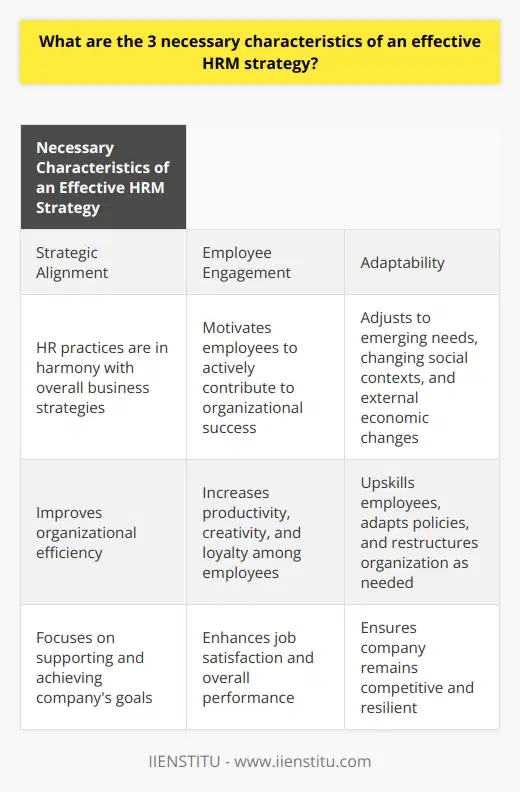
Communication Skills
The ability to communicate effectively is essential in any corporate environment, but particularly so in Human Resources. With multiple stakeholders, the ability to craft and deliver clear messages is a must. In addition, listing trust with team members, applicants, and management is paramount, as is the ability to facilitate difficult conversations and hold appropriate dialogues on any issues that may arise.
Organizational Capabilities
An HR professional must also be able to organize their own time and the organization's sources. This requires a deep understanding of the various functions of HR and the associated tasks. In addition, a solid grasp of the applicable regulations inside and outside the company is also necessary. Finally, organizing and driving projects and programs from start to finish is essential to ensuring the company meets its corporate goals and objectives.
Conflict Resolution Abilities
Conflict resolution is a cornerstone of being a successful HR Manager. Being able to manage both internal and external issues while keeping the peace and preserving the overall culture of the organization is a great skill to have. Being able to bridge two sides and find solutions everyone can abide by is a crucial skill that helps an HR professional fit in well with the organization.
An Understanding of Regulatory Requirements
No job in the HR sector is the same, but relatively, they all require the same sort of understanding. A comprehensive knowledge of labor laws and a thorough understanding of policies, regulations, and procedures is essential for any HR professional. Additionally, this knowledge helps HR professionals manage internal conflicts, provide guidance and guidance counseling, implement practical training and recruitment, and more.
Strong Leadership Qualities
Having strong leadership qualities is invaluable for an HR professional. Influential leaders are mainly concerned with individuals and can create a positive environment where different personalities and roles coexist. In addition, managing effectively, delegating tasks, and building bridges between stakeholders make better working conditions for all involved. It helps a company achieve its goals much faster.
In conclusion, the modern HR staff must possess various skills and qualities to succeed in their role. They must also understand the applicable laws, regulations, and procedures governing the employment of people, as well as a strong command of organizational capabilities and leadership skills. By combining these essential qualities, HR can affect change in the corporate workplace and help the organization reach its goals and objectives.
Teamwork is essential in the corporate world, but an effective HR team starts with empowered individuals.
Frequently Asked Questions
What essential qualities should a successful corporate HR professional possess?
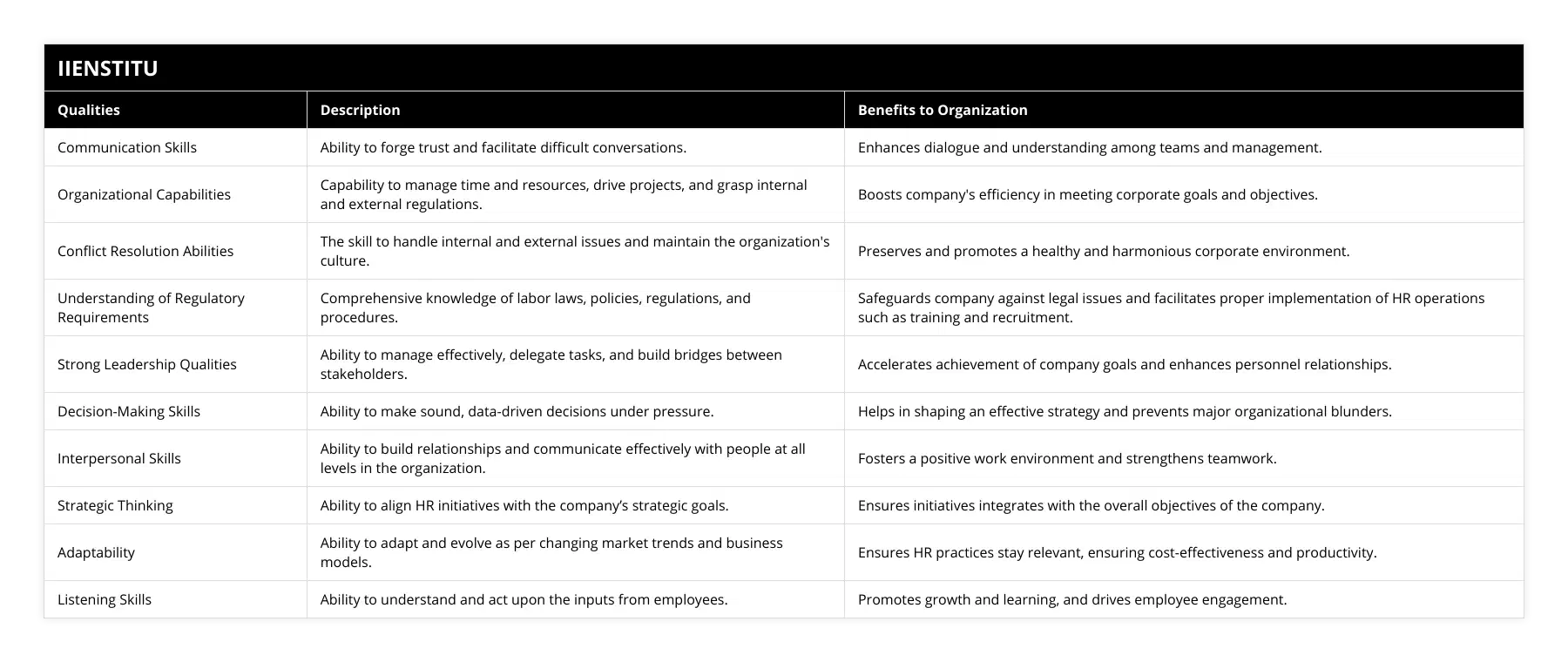
In recent years, the role of a corporate Human Resources (HR) professional has become increasingly important in an organization. However, HR professionals must possess several essential qualities to succeed.
First and foremost, corporate HR professionals should demonstrate excellent problem-solving and decision-making skills. An effective HR professional can quickly assess the various aspects of an employee-related situation and develop solutions that yield positive outcomes. In addition, they must be able to exercise sound judgment and make decisions that are in the best interests of their employers.
In addition, successful corporate HR professionals must have strong interpersonal and communication skills. They must communicate effectively and professionally with colleagues, superiors, and employees. They must be comfortable engaging with individuals with different perspectives, backgrounds, and beliefs.
Furthermore, corporate HR professionals must be well-versed in the rules and regulations of labor law and understand the various requirements of their regional labor market. Finally, they must correctly interpret the rules and regulations to protect their employers' interests.
Finally, successful corporate HR professionals should have a passion for service. They should sincerely desire to help employees succeed professionally and personally. They should be able to provide valuable advice, guidance, and support to their employers and employees.
In summary, corporate HR professionals should demonstrate excellent problem-solving and decision-making skills, have strong interpersonal and communication skills, possess a deep understanding of the rules and regulations of their local labor market, and demonstrate a passion for service. These qualities will enable HR professionals to succeed when acquired and implemented correctly.
How can corporate HR professionals stay up to date on industry developments and trends?
Advances in technology and changes in regulations, operations, and processes can lead to rapid change within corporate environments. For Human Resources (HR) professionals, this can require continuously monitoring the industry for new developments and trends. If a successful HR professional is to remain current in the business world, they must develop a practice of proactive learning and stay ahead of emerging topics.
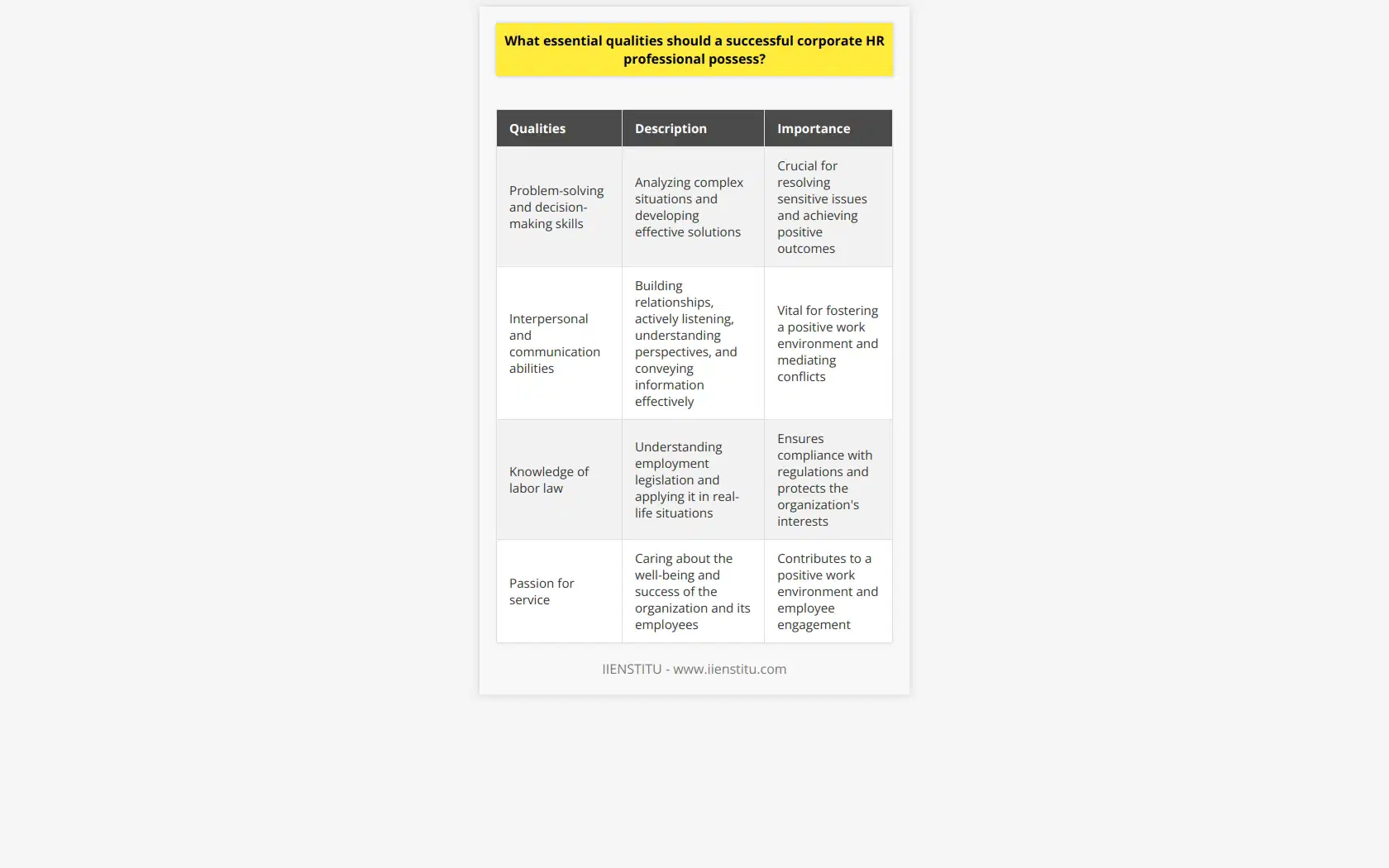
To remain ahead, HR professionals must actively seek new opportunities to gain knowledge. Attending relevant industry conferences and networking events are great ways to get insight into new ideas and trends in the corporate environment. Meetings offer an opportunity to listen to industry-leading professionals and thought leaders, share ideas with peers, and access materials to familiarize oneself with the newest industry trends. Additionally, seeking internships, researching publications, and taking continuing education courses can help HR professionals meet their profession's knowledge and skill requirements.
Staying in the loop requires HR professionals to understand the current digital trends in their industry. Digging in deeply on social media eliminates the reliance on traditional sources of information and allows immediate access to recent happenings. Also, subscribing to relevant industry journals, newsletters, and research reports, and utilizing technology-based news sources like Flash Briefings, can be very beneficial. HR professionals must remain aware of current HR practices, technologies, and economic conditions to be equipped with the knowledge to make informed decisions.
HR professionals must also stay on top of their networks. By attending seminars and lectures, HR professionals can stay updated on industry developments and interact directly with professionals who can offer advice and resource suggestions—a great way to connect and exchange ideas. Additionally, keeping up with their organization's publications, or joining relevant industry groups and committees, can provide HR professionals with a broad spectrum of information about the industry.
It can be challenging for HR professionals to stay abreast of the industry's rapidly changing landscape. However, by proactively seeking out information, attending conferences and networking events, subscribing to industry publications and newsletters, using digital news sources, remaining engaged in their organization's magazines, and building relationships, HR professionals will have access to the knowledge required to make informed decisions and ensure they meet the knowledge and skill requirements of the most current industry demand. Following these steps provides human resources professionals with the necessary information to stay ahead.
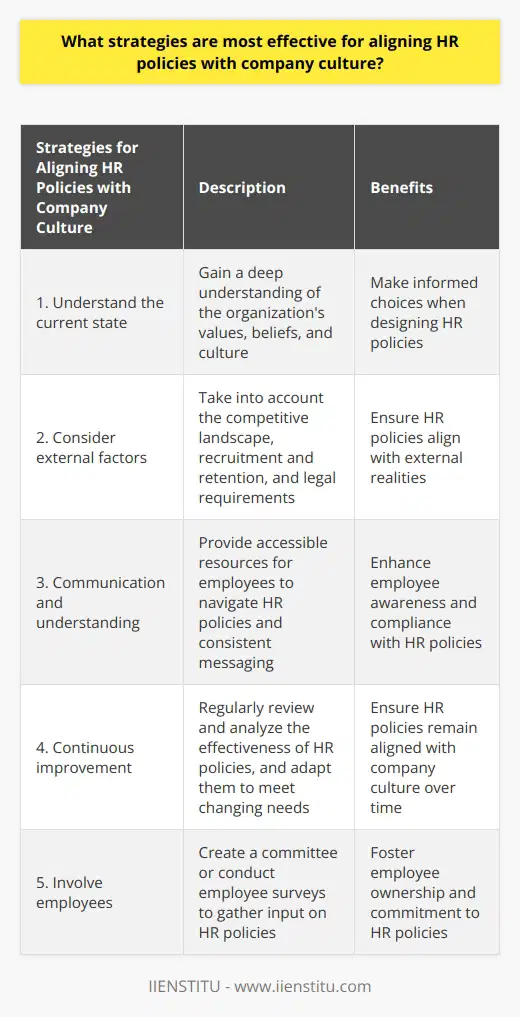
What strategies are most effective for aligning HR policies with company culture?
Human resource policies are crucial to every business and integral to any company's culture. Therefore, it must be aligned correctly to ensure the best possible outcomes for the organization and its stakeholders. This article will discuss the most effective strategies for aligning human resource policies with company culture.
Understanding the organization's current state is essential to building an effective HR policy alignment. Understanding the organization's core values, beliefs, and culture will help inform decision-making when designing HR policies. This understanding should also extend to the external environment, such as the competitive landscape, workforce recruitment and retention, and legal requirements.
The second key element for successful HR policy alignment is ensuring all employees communicate and understand the HR policies. This can be achieved through several holds, such as providing an easy-to-navigate HR website or intranet and delivering consistent messaging across all channels. Through these methods, it is possible to ensure that employees receive the same information from the same sources in an easy-to-digest format. This will help to ensure that they are aware of and compliant with the expectations and regulations set out in the HR policies.
Thirdly, aligning HR policies with company culture must incorporate a continuous improvement approach. It is possible to assess the HR policies' effectiveness through periodic review and analysis and identify improvement areas. This could entail re-examining existing policies and practices or forming new ones; the aim should be to ensure that the policies remain aligned with the organization's culture.
Finally, an effective way to ensure HR policy alignment is to involve employees. Employee input is invaluable in properly aligning policies with the organization's core ethos. This could include creating a committee to advise on developing and implementing HR policies or enacting regular employee surveys to provide feedback on the current policies.
In conclusion, the above strategies are essential in aligning HR policies with company culture. Effective HR policy alignment can be achieved by understanding the core values and beliefs of the organization, ensuring the policies are communicated and understandable by all employees, undertaking regular reviews and analyses, and engaging with employee input.
What are the primary skills needed for effective human resources management in a diverse workforce?
Understanding Cultural Diversity
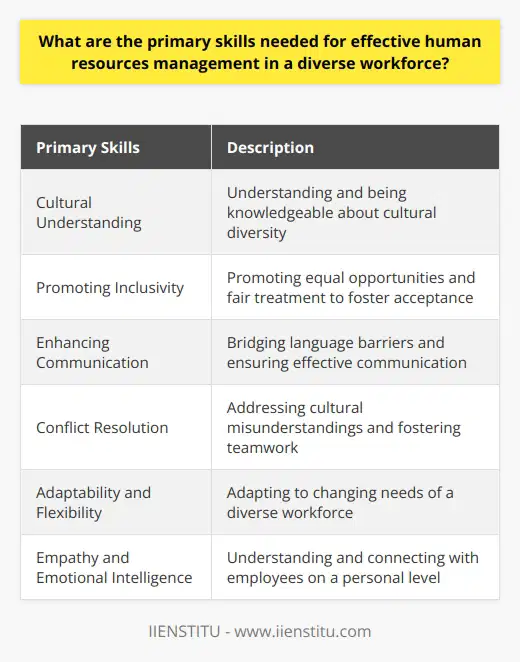
The primary skills needed for effective human resources management in a diverse workforce include understanding cultural diversity, promoting inclusivity, and enhancing communication. It is essential for HR professionals to be culturally sensitive and knowledgeable in order to foster an inclusive and diverse workplace.
Promoting Inclusivity
By promoting inclusivity, HR managers create a sense of belonging and acceptance, which raises employee morale, reduces turnover, and improves overall job satisfaction. Organizations must design policies and practices that encourage equal opportunities for everyone, such as internal promotions, fair compensation, and transparent performance evaluations.
Enhancing Communication
Effective HR management also relies on strong communication skills to bridge language barriers and ensure understanding among employees of different backgrounds. This may extend to offering language classes, creating multilingual resources, or hiring translators when necessary.
Conflict Resolution and Mediation
Additionally, HR professionals must possess the ability to mediate conflicts arising from cultural misunderstandings, addressing miscommunications, and fostering teamwork among diverse employees. This requires patience, active listening, and an understanding of cultural nuances that could influence behavioral patterns.
Adaptability and Flexibility
As organizations evolve, HR managers must adapt and be flexible in implementing strategies that cater to diverse workforce requirements. This can involve continually refining hiring processes or making accommodations for employees with varying needs.
Empathy and Emotional Intelligence
Finally, empathy and emotional intelligence are critical attributes for HR professionals when dealing with a diverse workforce. Understanding and connecting with employees on a personal level allows for better identification of the challenges faced by staff members and ensures better management of individual needs.
In conclusion, effective human resources management in a diverse workforce depends on cultural understanding, inclusivity, strong communication, conflict resolution, adaptability, and empathy. These skills not only help maintain a positive work environment but also drive overall organizational success.
How can HR professionals promote a culture of inclusivity and equity in the workplace?
Understanding Inclusivity and Equity
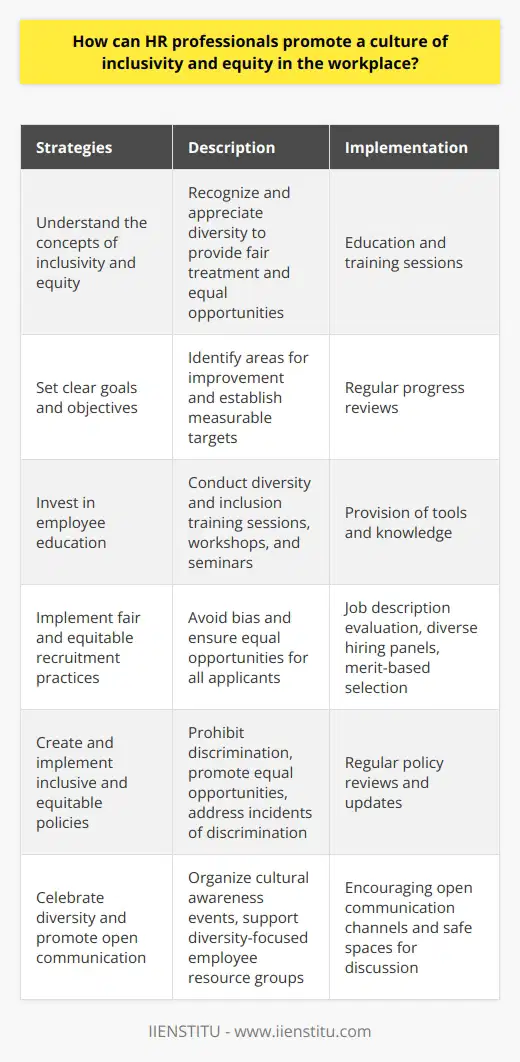
HR professionals must first understand the concepts of inclusivity and equity to effectively promote a culture that embodies these values. Inclusivity means ensuring all employees feel a sense of belonging, while equity aims to provide fair treatment and equal opportunity for all, despite one's background, race, gender, or other factors.
Setting Clear Goals
To promote a culture of inclusivity and equity, HR professionals need to establish clear goals and objectives. This involves identifying areas in the organization where inclusivity and equity may be lacking and setting targets to improve these areas. Measurable success indicators and regular progress reviews should be employed to hold the organization accountable.
Employee Education
Organizations should invest in employee education to create a more inclusive and equitable workplace. This can involve conducting regular diversity and inclusion training sessions, workshops, and seminars. Providing employees with the tools and knowledge needed to appreciate diverse perspectives can lead to a more inclusive and understanding work environment.
Recruitment Practices
Fair and equitable recruitment practices are vital in promoting an inclusive workplace. HR professionals should ensure that the recruitment process is free from bias and provides equal opportunities to all applicants. This can involve re-evaluating job descriptions, utilizing diverse hiring panels, and implementing merit-based selection processes.
Policy Implementation
The creation and implementation of inclusive and equitable policies are crucial in fostering an inclusive culture. These policies should outline and prohibit discriminatory practices, ensure equal opportunities for promotion and growth, and provide guidelines for addressing incidents of discrimination or exclusion. Regular policy reviews and updates are necessary to ensure relevance and effectiveness.
Celebrating Diversity
Another way HR professionals can promote inclusivity and equity is by celebrating diversity within the organization. Organizing cultural awareness events or supporting diversity-focused employee resource groups can encourage employees to learn about and appreciate different cultures, fostering a more inclusive environment.
Open Communication Channels
HR professionals should promote open communication within the organization, allowing employees to voice their concerns and share their experiences regarding inclusivity and equity. This can be achieved by creating safe spaces for discussion or providing anonymous feedback channels. Encouraging open dialogue can help identify areas for improvement and cultivate a more inclusive culture.
In conclusion, HR professionals play a critical role in fostering a culture of inclusivity and equity. By setting clear goals, educating employees, implementing fair practices, and promoting open communication, organizations can create a more inclusive and equitable working environment for all employees.
How does strategic HR contribute to achieving overall organizational objectives and performance?
Strategic HR and Organizational Objectives
Strategic human resource management (HRM) plays a critical role in achieving overall organizational objectives and performance. By aligning HR policies and practices with broader business goals, strategic HR enables companies to compete effectively in a rapidly evolving market. Furthermore, it helps create a skilled, motivated and engaged workforce that is better positioned to contribute to organizational success.
Talent Acquisition and Retention
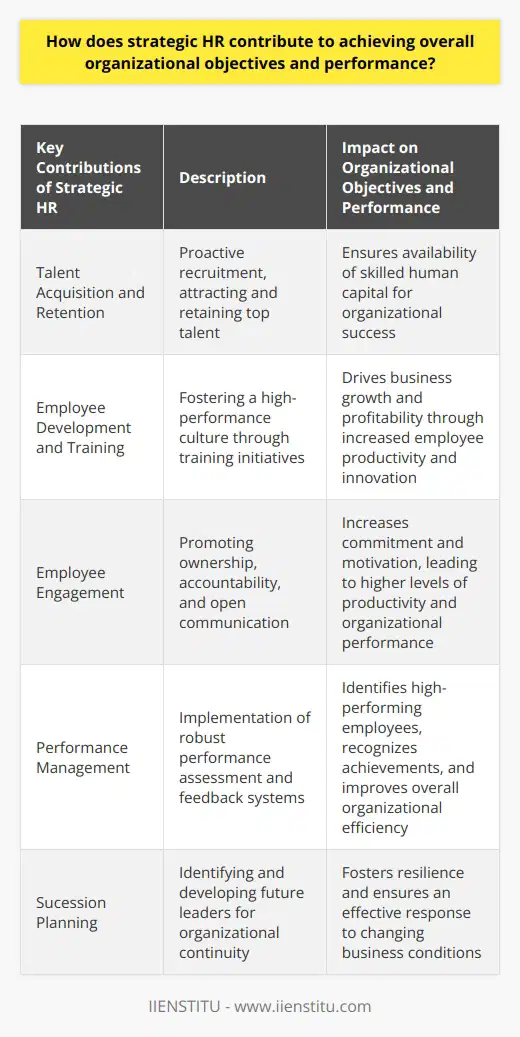
One key area where strategic HR contributes to organizational performance is talent acquisition and retention. By adopting a proactive approach to recruitment, HR professionals can identify, attract, and retain the best talent available, thereby ensuring that the organization has the necessary human capital to achieve its objectives. Moreover, a strong focus on employee development and training enables the organization to foster a high-performance culture that can drive business growth and profitability.
Employee Engagement and Performance
Strategic HR also plays a crucial role in enhancing employee engagement and performance. By fostering a work environment that promotes ownership, accountability, and open communication, HR professionals can encourage employees to take an active role in their jobs and overall organizational growth. In turn, this increased commitment and motivation can lead to higher levels of productivity, creativity, and innovation, all of which contribute to improved organizational performance.
Effective Performance Management
Effective performance management is another key aspect of strategic HR that directly impacts organizational success. By implementing robust performance management systems, HR professionals can facilitate the regular assessment and feedback of employee performance. This enables the organization to identify high-performing employees, recognize their achievements, and provide them with targeted development opportunities. Additionally, it helps organizations pinpoint areas of underperformance and put corrective measures in place, ensuring overall organizational efficiency.
Succession Planning and Organizational Resilience
Lastly, strategic HR supports organizational resilience by implementing robust succession planning processes. This involves identifying and developing future leaders, thereby ensuring the organization's continuity in the face of potential disruptions. By cultivating a pipeline of capable individuals who can take on critical roles as needed, organizations can respond more effectively to changing business conditions and remain competitive in the long term.
In conclusion, strategic HR is essential for organizations seeking to achieve their objectives and enhance overall performance. By focusing on talent acquisition and retention, employee engagement, performance management, and succession planning, HR professionals can drive organizational success and foster resilience in the face of an ever-changing business landscape.
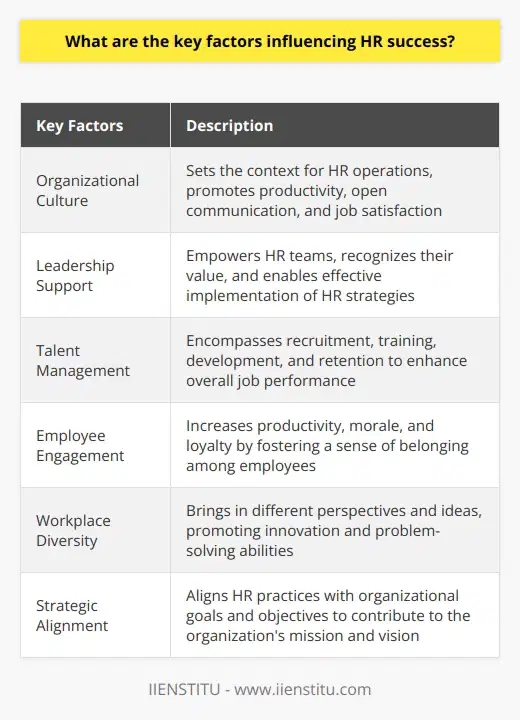
What are the key factors influencing HR success?
Organizational Culture
One central factor influencing HR success is the organizational culture. It defines the context in which HR operates. A healthy and inclusive culture can foster productivity, facilitate open communication, and enhance job satisfaction.
Leadership Support
Leadership support also plays a pivotal role. Without this, implementing effective HR strategies becomes challenging. Leaders must empower their HR teams and recognize the value they bring to the whole organization.
Talent Management
The ability of HR to manage talent effectively influences its success. Talent management includes recruitment, training, staff development, and retention. By matching the right people to the right tasks, HR can enhance overall job performance.
Employee Engagement
Engaging employees is crucial for HR success. Employee engagement directly influences productivity, morale, and loyalty. HR strategies should aim to foster a sense of belonging among staff members.
Workplace Diversity
Workplace diversity impacts HR success as well. Diversity can result in a wide range of views and ideas, promoting innovation and problem-solving abilities. It's HR's responsibility to foster an inclusive environment where diversity thrives.
Strategic Alignment
Finally, strategic alignment of HR practices with organizational goals is key to success. By aligning HR strategies with broader objectives, the HR department can directly contribute to achieving the organization's mission and vision.
In conclusion, the key factors influencing HR success include organizational culture, leadership support, talent management, employee engagement, workplace diversity, and strategic alignment. Focusing on these elements enhances the ability of HR to contribute to the organization's overall success.
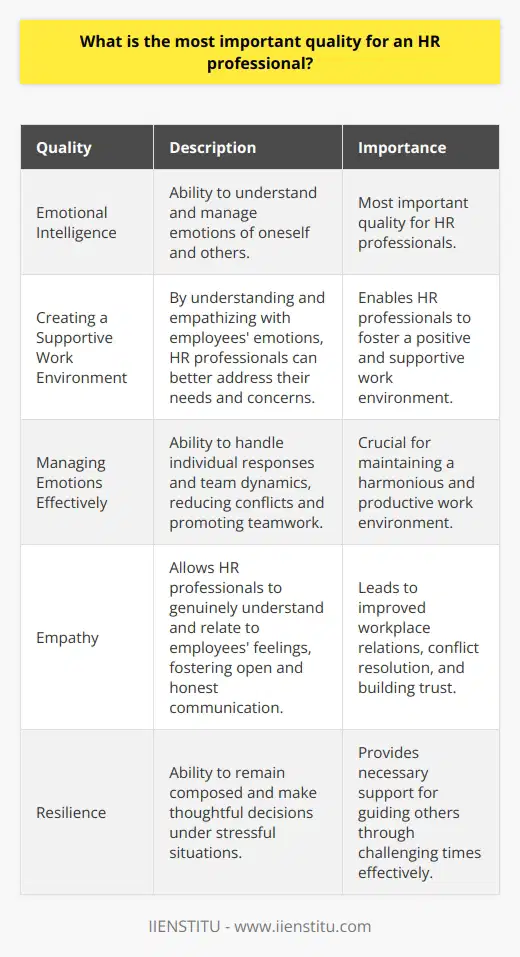
What is the most important quality for an HR professional?
Key Quality: Emotional Intelligence
An HR professional should possess numerous skills and attributes. Undeniably, the most crucial quality an HR professional needs is emotional intelligence. It refers to the capability of understanding and managing one's own emotions and those of others.
Understanding Emotions
This competency enables HR professionals to foster a supportive and positive work environment. It allows them to detect and comprehend employees' emotions better, which is crucial in people-centred work.
Managing Emotions
On top of understanding, emotional intelligence includes proper handling of emotions too. It allows HR professionals to handle individual responses and team dynamics effectively, alleviating conflicts and promoting teamwork.
Empathy and Communication
Empathy, a vital aspect of emotional intelligence, helps HR professionals understand employees' feelings genuinely. This empathy fosters open and honest communication, thus improving workplace relations.
Resilience Under Stress
Also, emotional intelligence anchors HR professionals in periods of stress and change, enabling them to maintain their composure, make thoughtful decisions, and guide others.
Conclusion
In sum, emotional intelligence forms the bedrock for crucial HR responsibilities, including conflict resolution, team building, and employee engagement. By prioritizing emotional intelligence, HR professionals can significantly contribute to an organization’s effectiveness and overall success.
What are the 3 necessary characteristics of an effective HRM strategy?
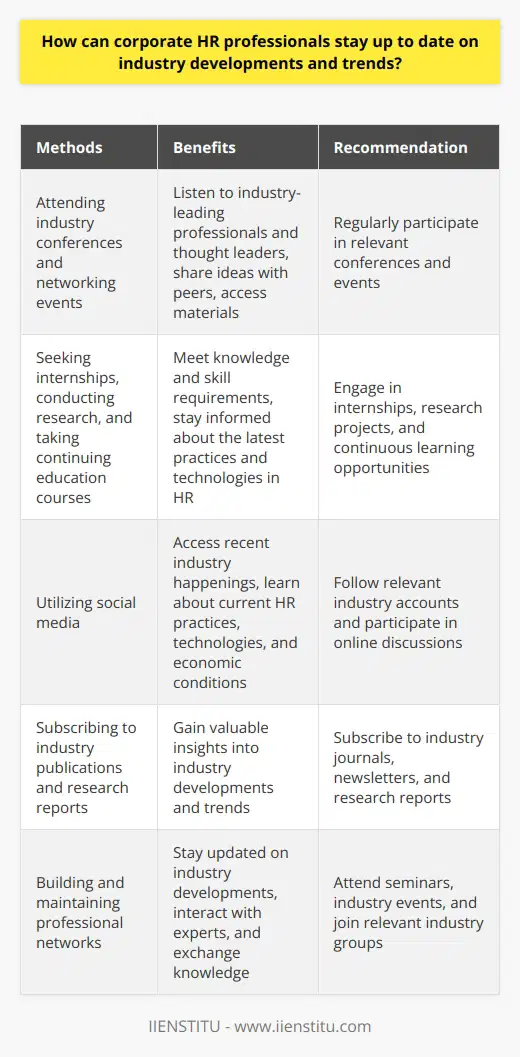
Strategic Alignment
The first requisite characteristic of an effective Human Resources Management (HRM) strategy is strategic alignment. It refers to the harmony of the HRM strategy with the overall business strategies of the organization. To improve organizational efficiency, HRM practices should align with and reinforce the strategic objectives of the company.
Employee Engagement
Employer engagement is another essential trait of a successful HRM strategy. This involves creating an environment that motivates employees to contribute to the organization's success actively. Engaging staff leads to higher productivity, creativity, and loyalty. Tools like training programs, effective communication channels, and work-life balance policies can facilitate engagement.
Adaptability
Finally, adaptability is also vital in HRM strategies. In today's fast-evolving business environment, HR strategies must be flexible to adjust to changing circumstances. This could mean upskilling employees to meet emerging needs, adapting employment policies to changing social contexts, or restructuring the organization in response to external economic changes.
In conclusion, an effective HRM strategy requires strategic alignment, employee engagement, and adaptability. These characteristics ensure the HRM strategy supports the company's objectives, fosters a motivated and productive workforce, and responds efficiently to changes.